
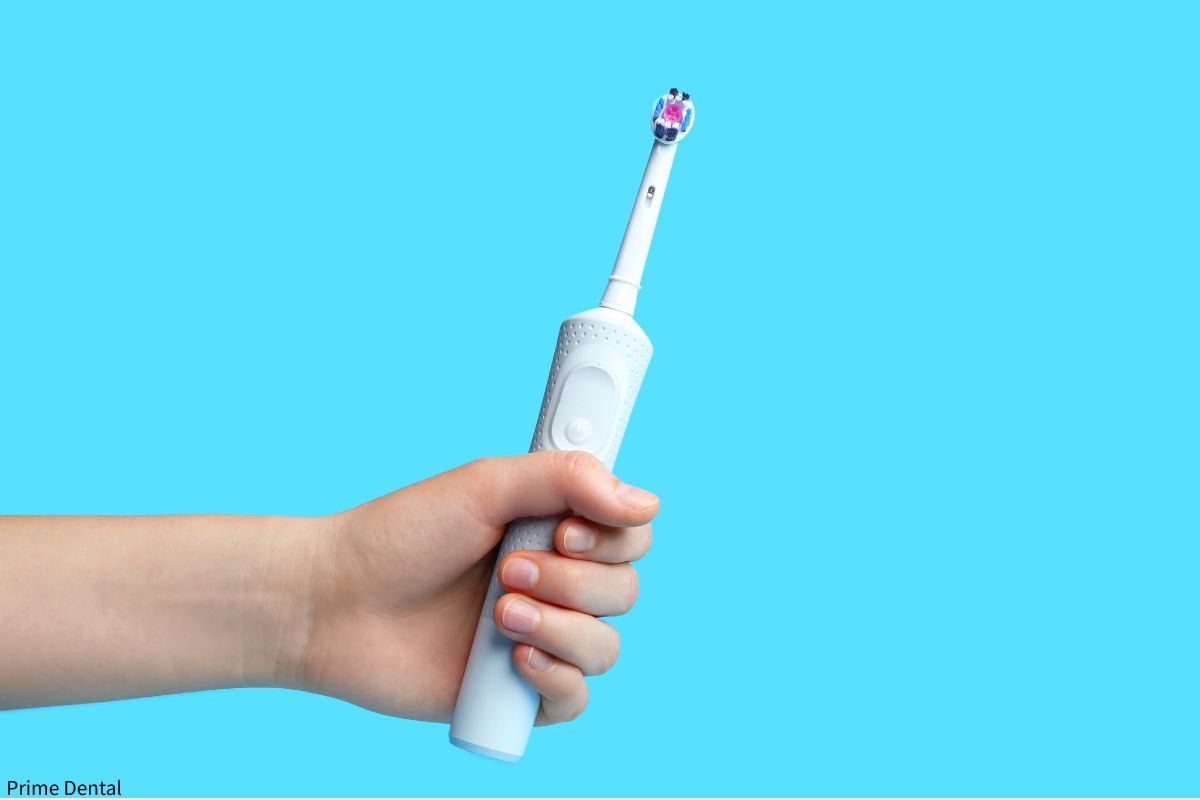
Electric vs. Manual Toothbrush: Which One Is Better for Your Teeth?
Choosing a toothbrush seems simple until you see the options available. Should you choose a traditional manual toothbrush or invest in an electric one?
Both types can help keep your teeth and gums healthy when used correctly. However, they offer different features and benefits.
At Prime Dental in Port Coquitlam, we believe good oral hygiene starts with understanding your individual needs.
Let’s explore the differences between electric and manual toothbrushes so you can make an informed choice.
Why Does Your Toothbrush Choice Matter?
Your toothbrush plays an important role in removing dental plaque. Plaque is a sticky bacterial film that forms naturally on your teeth.
When plaque accumulates, it can contribute to cavities and gum inflammation.
Brushing twice daily with fluoride toothpaste helps control plaque and protect your oral health.
However, your brushing technique matters just as much as the toothbrush you choose.
What Is a Manual Toothbrush?
A manual toothbrush is the traditional toothbrush you move across your teeth using your hand.
It comes in different shapes, sizes, and bristle designs. Soft-bristled models are generally recommended for everyday cleaning.
Manual toothbrushes remain a practical option for people who brush thoroughly and consistently.
Benefits of Manual Toothbrushes
- Generally affordable and widely available
- Easy to carry when travelling
- No batteries or charging required
- Available in different head sizes
- Simple to use with proper technique
A manual toothbrush can provide effective cleaning when you brush carefully for two minutes.
What Is an Electric Toothbrush?
An electric toothbrush uses powered bristle movements to help clean your teeth.
Some models rotate or oscillate, while others use rapid side-to-side vibrations.
Many electric toothbrushes also include timers, pressure sensors, and different brushing modes.
These features may make it easier to maintain consistent brushing habits.
Benefits of Electric Toothbrushes
- Powered movements assist with plaque removal
- Built-in timers encourage adequate brushing time
- Some models warn against excessive pressure
- May be easier for people with limited hand mobility
- Some designs help users clean consistently
Electric toothbrushes may be particularly helpful for people who struggle with manual brushing technique.
Electric vs. Manual Toothbrush: Which Removes More Plaque?
Research suggests that certain powered toothbrushes can provide modest improvements in plaque removal and gingivitis reduction compared with manual brushing.
However, the difference depends on the toothbrush design, technique, and individual brushing habits.
A well-used manual toothbrush can still provide effective daily cleaning.
The most important factors are brushing consistently, reaching every tooth surface, and using fluoride toothpaste.
Which Toothbrush Is Better for Sensitive Gums?
If your gums are sensitive, choosing soft bristles and using gentle pressure is especially important.
Some electric toothbrushes include pressure sensors that alert you when you brush too aggressively.
This feature may help people who tend to scrub their teeth.
However, a soft manual toothbrush can also be gentle when used correctly.
If your gums regularly bleed or feel painful, schedule a dental examination rather than simply changing toothbrushes.
Which Toothbrush Is Better for Children?
Both manual and age-appropriate electric toothbrushes can work well for children.
Some children enjoy electric toothbrushes because of their movement, sounds, or built-in timers.
Others prefer the simplicity of a manual toothbrush.
Young children still need adult assistance or supervision, regardless of which toothbrush they use.
Parents searching for family dentistry near me can discuss age-appropriate brushing techniques during dental appointments.
Are Electric Toothbrushes Better for Braces?
Braces create additional areas where plaque can collect around brackets and wires.
Some patients find powered toothbrushes helpful when cleaning around orthodontic appliances.
However, careful technique remains essential with either toothbrush type.
Your dental team may also recommend specialized interdental cleaning tools.
What About Dental Crowns, Bridges, and Implants?
Dental restorations require consistent cleaning to protect the surrounding teeth and gums.
Both manual and electric toothbrushes may be suitable, depending on your individual situation.
Additional cleaning tools may be necessary around bridges, implants, or other restorations.
Explore our dental services to learn more about preventive and restorative dental care.
Does an Electric Toothbrush Replace Flossing?
No. A toothbrush cannot reliably clean every surface between neighbouring teeth.
Daily interdental cleaning remains important, whether you use an electric or manual toothbrush.
Dental floss, interdental brushes, or other recommended tools can help clean these spaces.
Your dental hygienist can suggest an approach based on your teeth and gum health.
Common Toothbrushing Mistakes to Avoid
Even an expensive toothbrush cannot compensate for poor brushing habits.
Watch for these common mistakes:
- Brushing for less than two minutes
- Using excessive pressure
- Ignoring the gumline
- Missing the back surfaces of teeth
- Using worn or frayed bristles
- Skipping brushing before bedtime
Correcting these habits can improve your cleaning routine without necessarily requiring a new toothbrush.
How Often Should You Replace Your Toothbrush?
Replace your manual toothbrush or electric brush head approximately every three to four months.
Replace it sooner if the bristles become frayed or worn.
Damaged bristles may not clean effectively and can make gentle brushing more difficult.
Is an Expensive Electric Toothbrush Worth It?
A higher price does not automatically mean better results for every person.
Some people benefit from pressure sensors and built-in timers. Others maintain excellent brushing habits with a basic manual toothbrush.
Consider your budget, brushing technique, comfort, and any recommendations from your dental team.
For patients interested in affordable dental care in Coquitlam, effective home care does not always require expensive equipment.
How to Brush Correctly with a Manual Toothbrush
Position the bristles gently toward your gumline and use small, controlled movements.
Clean the outer, inner, and chewing surfaces of your teeth.
Spend approximately two minutes brushing, twice each day.
Avoid aggressive scrubbing, which can contribute to irritation and tooth wear.
How to Brush Correctly with an Electric Toothbrush
Follow the manufacturer’s instructions because brushing techniques vary between powered toothbrush designs.
Guide the brush head slowly across your teeth, allowing its powered movements to assist with cleaning.
Do not assume that pressing harder will remove more plaque.
Use the timer when available to help maintain adequate brushing time.
Can Your Dentist Help You Choose a Toothbrush?
Yes. Your dentist or dental hygienist can assess your oral hygiene and identify areas needing additional attention.
They may recommend a particular toothbrush style based on your brushing habits, gum condition, and manual dexterity.
If you are searching for a dentist near me, consider asking for a personalized brushing demonstration during your appointment.
You can also explore the Prime Dental blog for more oral health tips.
The Best Toothbrush Is One You Use Correctly
Electric toothbrushes offer useful features and may improve plaque removal for some people.
Manual toothbrushes remain effective, affordable options when used with proper technique.
Neither option replaces flossing, fluoride toothpaste, or professional dental care.
At Prime Dental, we can help you develop an oral hygiene routine suited to your smile.
Ready to improve your brushing habits? Contact Prime Dental or call (604) 941-0111 to schedule an appointment.
Prime Dental | 2227 McAllister Ave #203, Port Coquitlam, BC V3C 2A9
(604) 941-0111 | prime-dental.ca