
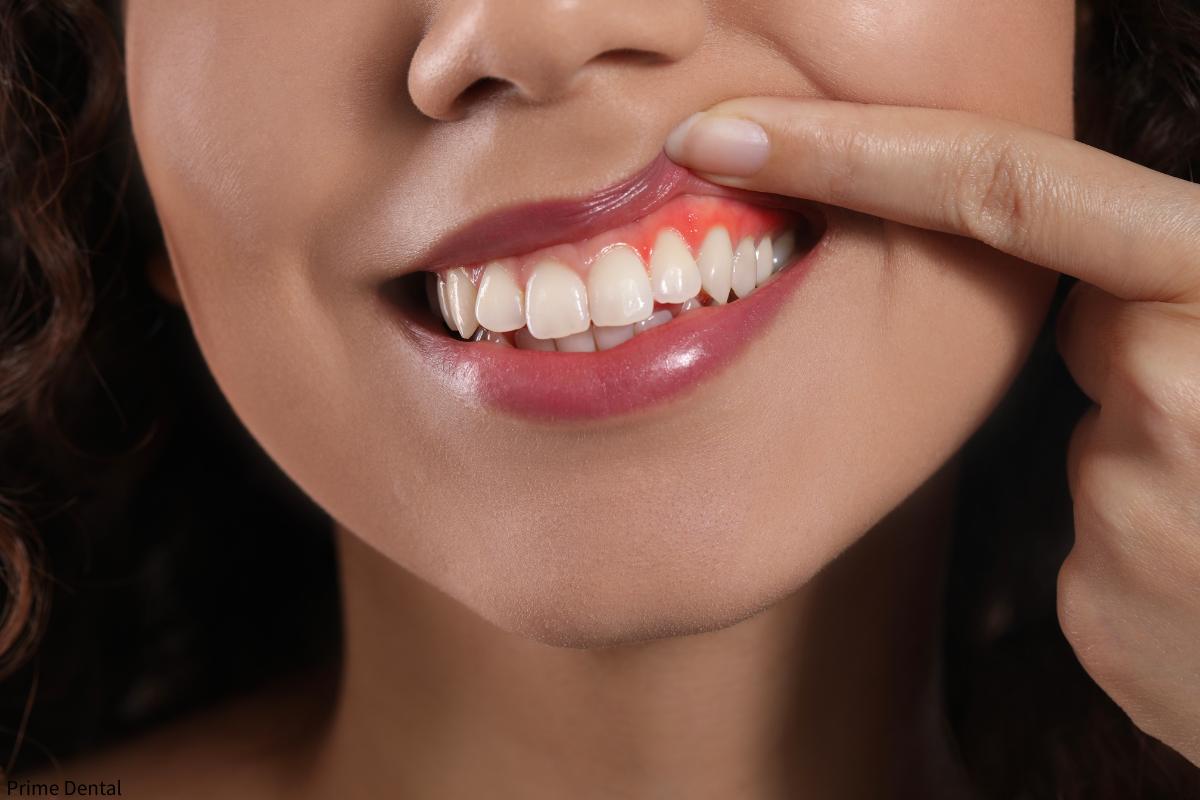
Why Mouth Breathing Can Affect Your Teeth and Gums
Breathing through your mouth instead of your nose may seem harmless, especially during sleep or exercise. However, chronic mouth breathing can have a significant impact on your oral health over time. At Prime Dental in Port Coquitlam, we help patients understand how mouth breathing affects their teeth, gums, and overall comfort.
What Is Mouth Breathing?
Mouth breathing occurs when a person regularly breathes through their mouth instead of their nose. This habit may happen during sleep, physical activity, or throughout the day.
Patients searching for a dentist near me are often surprised to learn that breathing habits can influence oral health.
Why Nose Breathing Is Important
Your nose helps filter, warm, and humidify the air you breathe. Mouth breathing bypasses these natural protections and can dry out the tissues inside your mouth.
Saliva plays an important role in protecting your teeth and gums. When your mouth becomes dry, bacteria can build up more easily.
Common Causes of Mouth Breathing
Nasal Congestion
Allergies, colds, or sinus issues can make it difficult to breathe through the nose.
Sleep Habits
Some people naturally sleep with their mouths open, especially if they snore.
Structural Issues
Conditions affecting the nose or airway can contribute to chronic mouth breathing.
Stress or Habit
In some cases, mouth breathing becomes a long-term habit.
How Mouth Breathing Affects Oral Health
Dry Mouth
Mouth breathing reduces saliva levels, creating a dry environment where bacteria can thrive.
Higher Risk of Cavities
Without enough saliva to neutralize acids, teeth become more vulnerable to decay.
Gum Inflammation
Dry tissues are more likely to become irritated and inflamed, increasing the risk of gum disease.
Bad Breath
Bacteria buildup caused by dry mouth often leads to persistent bad breath.
Preventive care through professional dental services can help detect these issues early.
Signs You May Be Mouth Breathing
Common symptoms include:
- Dry mouth upon waking
- Chapped lips
- Morning bad breath
- Sore throat after sleeping
- Frequent thirst
If you experience these symptoms regularly, it may be worth discussing them with your dentist or healthcare provider.
How Mouth Breathing Affects Children
In children, chronic mouth breathing may affect oral development and jaw growth. Early evaluation is important to help prevent long-term issues.
Families looking for family dentistry near me benefit from preventive care and early detection of habits that affect oral health.
How to Reduce the Effects of Mouth Breathing
Stay Hydrated
Drinking water regularly helps reduce dryness and supports saliva production.
Address Nasal Congestion
Treating allergies or sinus issues may improve nose breathing.
Maintain Good Oral Hygiene
Brushing and flossing regularly help control bacteria and reduce the risk of cavities.
Use a Humidifier
Adding moisture to the air while sleeping may help reduce dryness.
The Importance of Saliva
Saliva helps protect your teeth by neutralizing acids, washing away food particles, and controlling bacteria. Dry mouth caused by mouth breathing weakens these natural defenses.
We discuss related concerns in our article on how dry mouth affects oral health.
Long-Term Effects of Untreated Mouth Breathing
If left unaddressed, chronic mouth breathing may contribute to:
- Tooth decay
- Gum disease
- Persistent bad breath
- Sleep disturbances
Patients seeking affordable dental care in Coquitlam benefit from preventive treatment that helps avoid more serious problems later.
How Prime Dental Can Help
At Prime Dental, we take a preventive approach to oral health. Our team evaluates signs of dry mouth, enamel wear, and gum irritation related to mouth breathing.
We provide personalized guidance to help patients protect their teeth and maintain healthy oral habits.
Protect Your Smile with Healthy Habits
Mouth breathing may seem minor, but over time it can affect your teeth, gums, and comfort. Understanding the causes and taking preventive steps can help protect your oral health.
If you are experiencing symptoms of dry mouth or chronic mouth breathing, we encourage you to contact Prime Dental to schedule an appointment.