
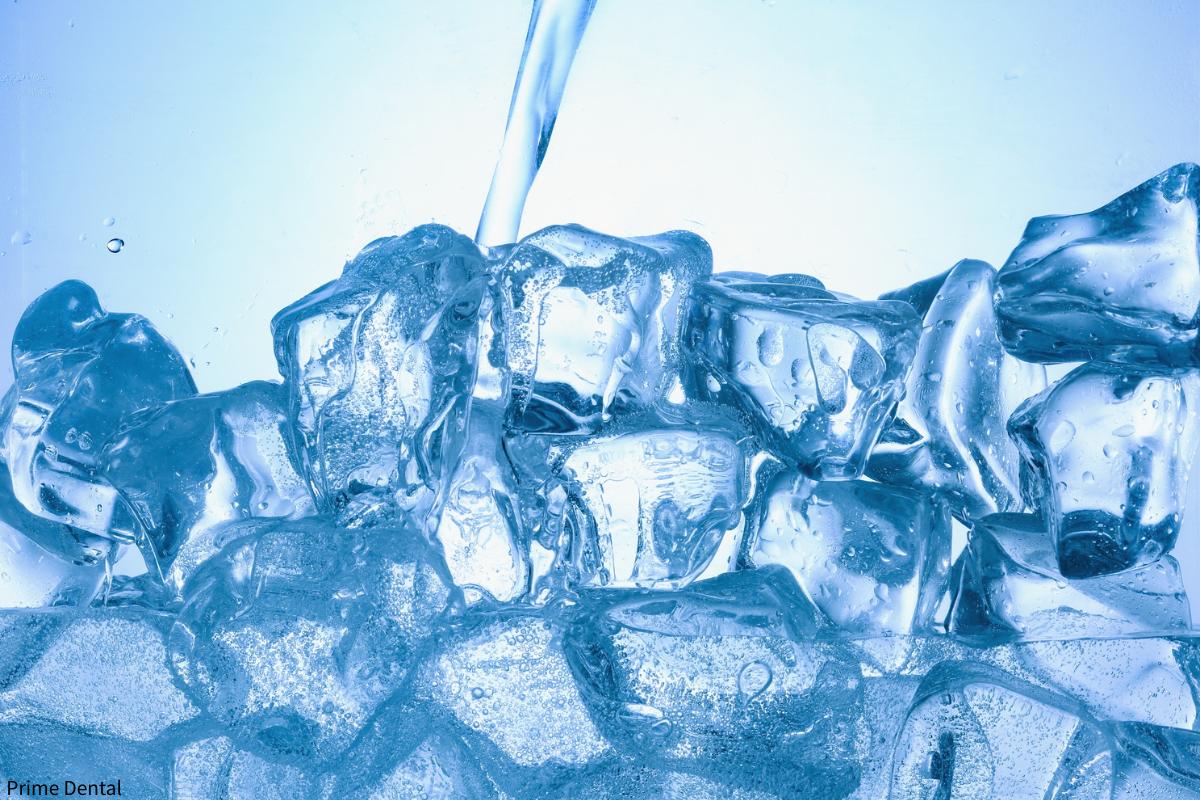
Why Chewing Ice Can Damage Your Teeth More Than You Realize
Many people chew ice without thinking twice about it. Whether it’s out of habit, stress relief, or simply enjoying the crunch, chewing ice may seem harmless. However, this common habit can put significant stress on your teeth and lead to long-term dental problems. At Prime Dental in Port Coquitlam, we help patients understand how seemingly small habits can affect their oral health.
Why Is Chewing Ice Harmful?
Although ice is just frozen water, it is extremely hard. Your teeth are designed to handle the pressure of chewing food, but repeatedly biting down on hard ice can create excessive force on your enamel.
Patients searching for a dentist near me are often surprised to learn that chewing ice is one of the most common causes of minor tooth fractures.
How Ice Can Damage Your Teeth
Cracked or Chipped Teeth
Chewing hard ice can cause small cracks or chips in your teeth. Over time, these minor fractures can worsen and require restorative treatment.
Enamel Wear
Repeated exposure to hard pressure weakens enamel, making teeth more vulnerable to sensitivity and decay.
Damage to Dental Work
Fillings, crowns, and veneers can also be damaged by chewing ice.
Jaw Strain
The repeated pressure from chewing hard substances may strain the jaw muscles and joints.
Signs That Ice Chewing May Be Affecting Your Teeth
Some warning signs include:
- Tooth sensitivity
- Pain when biting down
- Small visible chips or cracks
- Jaw soreness
If you notice these symptoms, an evaluation through our professional dental services can help identify damage early.
Why Cracked Teeth Are a Serious Problem
Even a small crack can allow bacteria to enter the tooth, increasing the risk of infection and decay. In severe cases, untreated cracks may lead to the need for root canal treatment or extraction.
We discuss this further in our article on Why Bleeding Gums Should Never Be Ignored (And What to Do About It).
Why Some People Crave Ice
Frequent ice chewing may sometimes be linked to stress or habits formed over time. In some cases, cravings for ice can also be associated with nutritional deficiencies, such as low iron levels.
If you find yourself chewing ice regularly, it may be helpful to discuss it with a healthcare professional.
How to Break the Habit
Choose Softer Alternatives
If you enjoy crunchy textures, try healthier alternatives that are less harmful to your teeth.
Stay Hydrated
Drinking cold water without chewing the ice can help satisfy the urge.
Reduce Stress
Stress management techniques may help reduce unconscious habits such as ice chewing.
Be More Aware of the Habit
Many people chew ice automatically. Paying attention to the habit is the first step toward stopping it.
How Dentists Treat Ice-Related Damage
Depending on the severity of the damage, treatment options may include:
- Dental bonding for small chips
- Fillings for minor damage
- Dental crowns for larger fractures
- Root canal treatment if the tooth nerve is affected
Patients seeking affordable dental care in Coquitlam benefit from early treatment that prevents more serious complications.
Protecting Your Enamel
Enamel cannot regenerate once it is lost. Protecting it through healthy habits and preventive care is essential for long-term oral health.
The Importance of Regular Dental Checkups
Routine dental visits allow your dentist to identify small cracks or enamel wear before they become major problems. Early detection can save both time and money.
How Prime Dental Can Help
At Prime Dental, we focus on prevention and patient education. Our team helps patients identify harmful habits and provides personalized solutions to protect their smiles.
We use modern techniques to diagnose and treat cracked or damaged teeth effectively.
Protect Your Teeth from Everyday Habits
Chewing ice may seem harmless, but over time it can seriously damage your teeth and dental work. Making small changes today can help protect your smile for years to come.
If you are experiencing tooth sensitivity or suspect tooth damage, we encourage you to contact Prime Dental to schedule an appointment.