
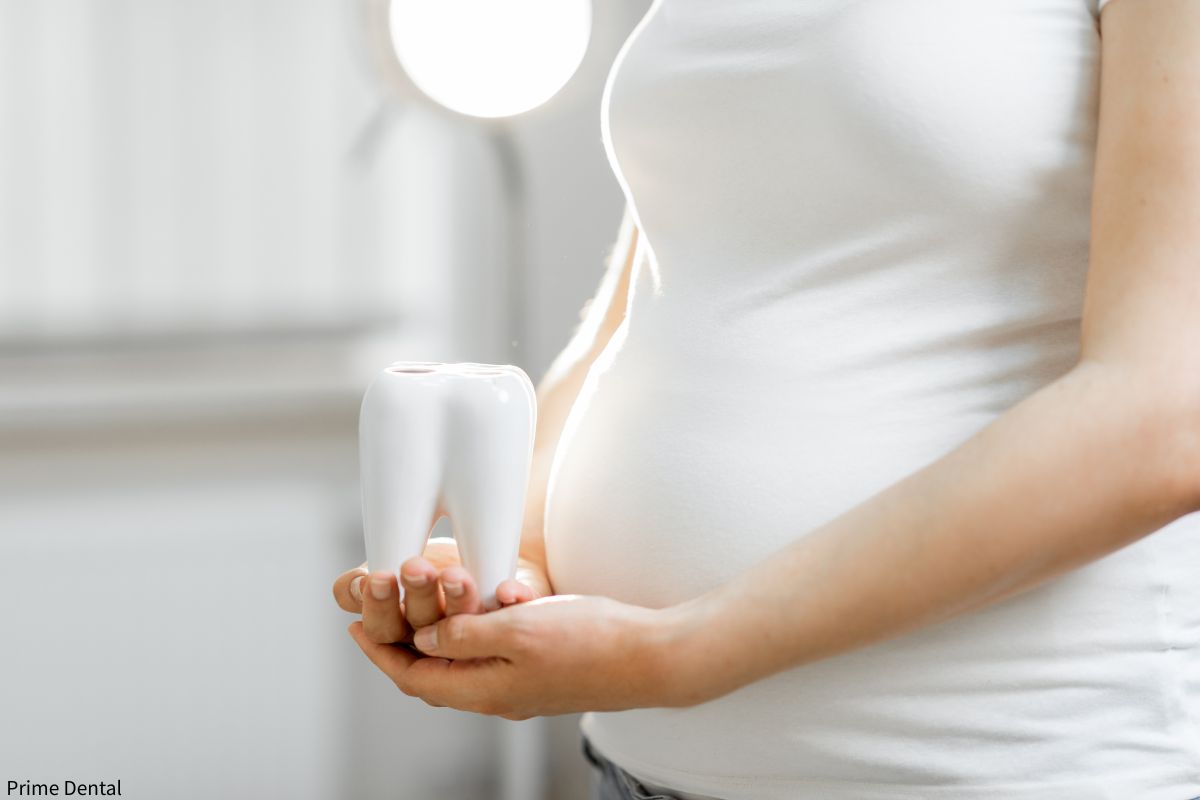
Pregnancy and Oral Health: Why Your Teeth and Gums May Need Extra Attention
Pregnancy brings many changes to your body, and your mouth is no exception. Hormonal changes, nausea, food cravings, and new routines can all affect your oral health.
You may notice that your gums feel more sensitive or bleed more easily. You may also experience changes in your brushing habits or eating patterns.
At Prime Dental in Port Coquitlam, we encourage expectant parents to include dental care as part of their overall wellness routine.
Why Can Pregnancy Affect Your Oral Health?
Hormonal changes during pregnancy can affect how your gums respond to plaque. This may make gum tissue more likely to become irritated or inflamed.
Changes in diet and daily routines can also influence your risk of cavities. Frequent snacking, sugary cravings, and morning sickness may all play a role.
If you are searching for a dentist near me during pregnancy, mention that you are expecting when you schedule your appointment.
Why Do Gums Sometimes Bleed During Pregnancy?
Some pregnant patients notice red, swollen, or tender gums. Bleeding may also occur during brushing or flossing.
This does not mean you should stop cleaning around the gumline. Gentle daily oral hygiene remains important for controlling plaque.
Persistent or significant gum bleeding should be evaluated by your dental team.
What Is Pregnancy Gingivitis?
Pregnancy gingivitis refers to gum inflammation that can become more noticeable during pregnancy.
Common signs may include:
- Red or swollen gums
- Bleeding while brushing
- Gum tenderness
- Increased sensitivity around the gumline
- Persistent bad breath
These symptoms can also occur for other reasons. A professional dental examination can help determine what is happening.
Can Morning Sickness Affect Your Teeth?
Morning sickness may expose your teeth to stomach acid. Frequent acid exposure can temporarily soften the surface of tooth enamel.
If you vomit, avoid aggressively brushing your teeth immediately afterward. Rinsing your mouth with water can help remove some of the acid.
Wait before brushing so your enamel has time to recover from the acidic exposure.
What If Toothpaste Makes You Feel Nauseous?
Some people become more sensitive to flavours or smells during pregnancy. Strong toothpaste flavours may suddenly make brushing uncomfortable.
If this happens, try discussing alternative toothpaste options with your dentist or dental hygienist.
The goal is to maintain consistent brushing without making nausea worse.
Can Pregnancy Cravings Increase Cavity Risk?
Pregnancy cravings can change how often and what you eat. Frequent sugary snacks may expose your teeth to repeated acid attacks throughout the day.
You do not need to eliminate every sweet food. However, reducing frequent snacking and choosing water between meals can help protect your teeth.
Our dental services include preventive care and personalized oral hygiene guidance for patients at different life stages.
Should You Continue Flossing During Pregnancy?
Yes. Cleaning between your teeth remains important during pregnancy, especially when your gums are more sensitive to plaque.
If your gums bleed when you floss, avoid assuming flossing is the problem. Bleeding can be a sign of inflammation already present around the gumline.
Use gentle technique and ask your dental team for guidance if certain areas are difficult to clean.
Is It Important to Stay Hydrated?
Drinking enough water can support saliva production and help wash away food particles.
Saliva plays an important role in neutralizing acids and protecting tooth surfaces.
Water is also a helpful alternative to sugary drinks when you are thirsty throughout the day.
What About Dry Mouth During Pregnancy?
Some pregnant patients experience a dry or sticky mouth. Reduced saliva can make your mouth feel uncomfortable and may increase plaque accumulation.
Frequent sips of water may help. Persistent dry mouth should be discussed with your healthcare providers.
Should You Have Dental Checkups While Pregnant?
Regular dental examinations remain important during pregnancy. They give your dental team an opportunity to monitor your teeth and gums.
Tell your dentist how far along you are and whether you have any pregnancy-related health concerns.
Your dental team can then consider your individual situation when planning care.
What Should You Tell Your Dentist?
Communication is especially important during pregnancy. Let your dental team know:
- That you are pregnant
- Your expected due date
- Any changes in your medical history
- Any medications or supplements you are taking
- Whether your pregnancy is considered high-risk
- Any new oral symptoms you have noticed
This information helps your dental team plan care appropriately.
Can You Have Dental X-Rays During Pregnancy?
Your dentist will determine whether dental X-rays are necessary based on your specific dental needs.
If imaging is recommended, tell your dental team that you are pregnant before the X-ray is taken.
Do not postpone urgent dental evaluation simply because you assume imaging can never be used during pregnancy. Your dentist can explain the recommended approach.
What If You Develop a Toothache During Pregnancy?
A persistent toothache should not be ignored. Pain may indicate decay, infection, a damaged tooth, or another dental problem.
Contact your dental office and explain both your symptoms and that you are pregnant.
If you are searching for an emergency dentist near me, providing complete information helps the dental team assess your situation.
Oral Health Matters After Your Baby Arrives Too
New parents often experience disrupted sleep and major changes in routine. Dental care can become easier to overlook during this busy period.
Try to maintain twice-daily brushing and regular cleaning between your teeth.
Continuing preventive dental visits can help you stay on top of changes that developed during pregnancy.
Pregnancy Is Also a Good Time to Think About Family Dental Habits
Pregnancy often encourages families to think more carefully about long-term health routines.
Establishing strong oral hygiene habits now can make it easier to model those habits for your child later.
If you are looking for family dentistry near me, regular preventive visits can support oral health through many stages of family life.
Why Preventive Care Can Save You Trouble Later
Small dental concerns are often easier to manage when detected early. Waiting until pain develops can allow some problems to become more complicated.
Patients seeking affordable dental care in Coquitlam may benefit from focusing on prevention, routine examinations, and consistent home care.
You can find more practical dental information on the Prime Dental blog.
Take Care of Your Smile During Pregnancy
Pregnancy can change your gums, eating habits, and daily oral care routine. Paying attention to these changes can help protect your smile throughout pregnancy.
Brush gently, clean between your teeth, drink water, and report persistent symptoms to your dental team.
If you are expecting and have questions about your oral health, contact Prime Dental or call (604) 941-0111 to schedule an appointment.
Prime Dental | 2227 McAllister Ave #203, Port Coquitlam, BC V3C 2A9
(604) 941-0111 | prime-dental.ca