
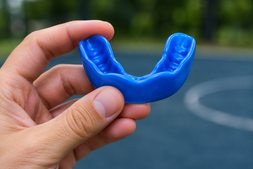
A hockey puck, an accidental elbow, or a fall during practice can injure teeth in a moment. Brushing and flossing remain essential, but protecting your smile during sport takes another kind of preparation.
A well-fitting sports mouthguard can help reduce the risk and severity of dental injuries. It belongs in the conversation about equipment for children, teenagers, and adults.
At Prime Dental in Port Coquitlam, we encourage patients to discuss the activities they enjoy so their dental care can include practical advice about injury prevention.
When Should You Wear a Sports Mouthguard?
Consider a mouthguard whenever an activity creates a risk of a blow to the face, a collision, or a fall. Hockey, basketball, soccer, rugby, and martial arts are familiar examples.
Dental injuries can also happen during activities such as skating, skateboarding, and gymnastics. You do not have to play professionally to benefit from protective equipment.
Wear the appropriate protection during practice as well as competition. An informal game can involve the same unexpected contact as an organized match.
How Does a Mouthguard Help Protect Your Smile?
A sports mouthguard provides a cushioning layer around the teeth. It can help reduce injuries such as chipped or broken teeth and cuts to the lips or cheeks.
Fit and consistent use matter. A guard left in a kit bag cannot protect your teeth, and one that moves around may be difficult to wear properly.
Continue using the helmet, face protection, and other equipment recommended for your sport. A mouthguard is one part of a broader safety routine.
What Types of Mouthguards Are Available?
Stock Mouthguards
These come ready-made in standard sizes. They are generally inexpensive, but their fit can be limited. Some feel bulky or make speaking and breathing less comfortable.
Boil-and-Bite Mouthguards
These are softened and shaped according to the manufacturer’s instructions. Careful fitting is important; do not guess at heating times or change the fitting process.
Custom-Fitted Mouthguards
These are made for an individual’s mouth through a dental professional. They can provide a more tailored fit, although they usually cost more than ready-made options.
Ask your dentist which approach suits your teeth, age, activity, and budget. A properly fitted option that you consistently wear is the goal.
How Can You Tell Whether the Fit Needs Checking?
Your mouthguard should stay securely in position and allow comfortable breathing. Arrange a review if it:
- Slips around or repeatedly falls out
- Feels painfully tight or rubs your gums
- Makes breathing or speaking difficult
- Has tears, distortion, or noticeable wear
Bring it to a dental appointment so the fit can be assessed in person.
What If You Wear Braces?
Braces need special consideration because a blow can damage brackets and injure the lips or cheeks. A suitable mouthguard can provide a protective barrier.
Speak with your dentist or orthodontist before choosing or moulding a guard. Tooth movement during treatment can change its fit, so ongoing checks may be needed.
A removable retainer is not a substitute for sports protection. Ask your orthodontic team how to manage removable appliances during your activity.
How Should You Clean and Store a Mouthguard?
Follow the instructions for your particular product. Useful everyday habits include:
- Rinsing it before and after use
- Cleaning it as directed, then rinsing thoroughly
- Storing it in a protective, ventilated case
- Keeping it away from hot cars, direct sunlight, and pets
- Checking regularly for damage or a change in fit
Children may outgrow a guard as their jaws develop or adult teeth come through. Replace a damaged or poorly fitting guard rather than continuing to use it.
What Should You Do After a Dental Injury?
If a tooth is chipped, loosened, or knocked out, contact a dentist promptly. Explain what happened and describe any bleeding, swelling, or pain.
A mouthguard reduces risk but cannot prevent every injury. For information about urgent dental care, visit our emergency dentistry page or call the clinic for guidance.
Make Dental Protection Part of Your Sports Routine
Keep your mouthguard with your sports equipment and check its condition before the season begins. Parents can help children build the habit of wearing it whenever needed.
At your next visit, tell us about your sport and bring your current guard. Explore our general and family dentistry services for more about ongoing dental care.
To discuss protecting your smile, request an appointment at Prime Dental or call (604) 941-0111.
Prime Dental
#203 – 2227 McAllister Ave.
Port Coquitlam, BC V3C 2A9
info@prime-dental.ca