
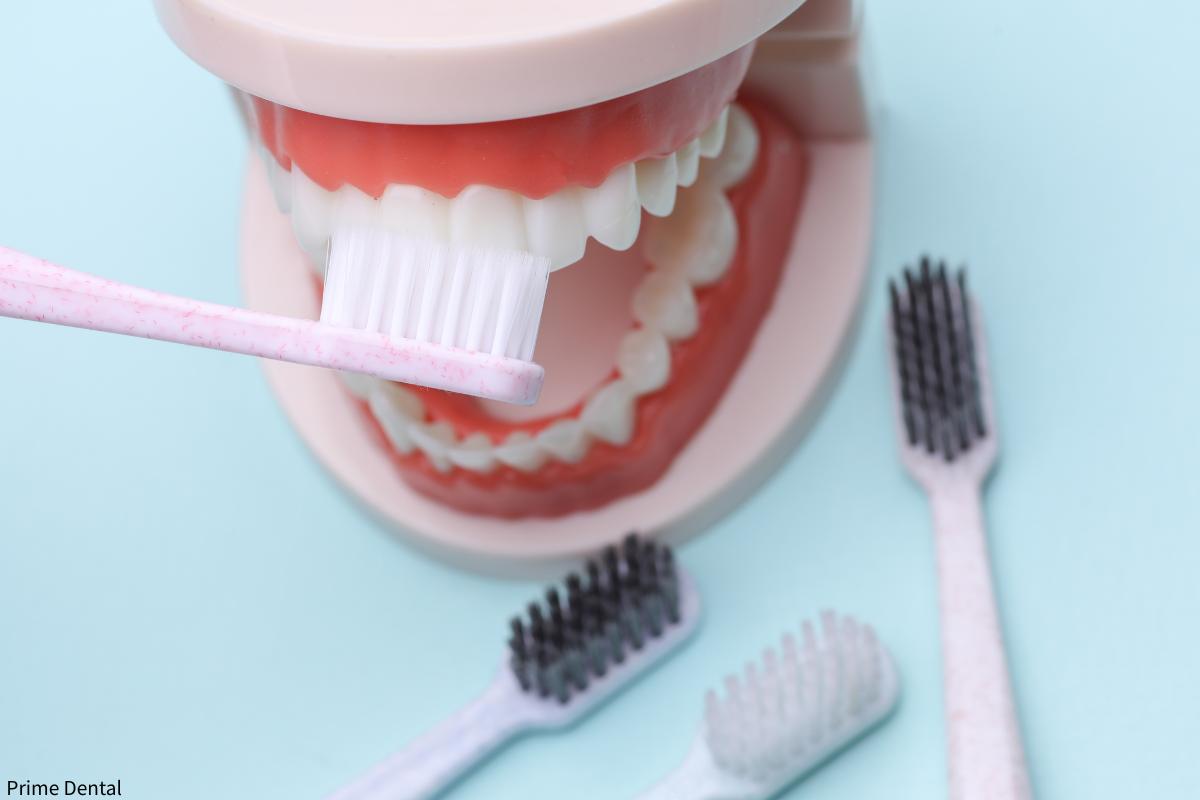
How Poor Oral Hygiene Affects Your Teeth Over Time (And How to Fix It)
Good oral hygiene is essential for maintaining a healthy smile, yet it is often overlooked in daily routines. Skipping proper brushing, flossing, or dental visits may not cause immediate problems, but over time, poor oral hygiene can lead to serious dental issues. At Prime Dental in Port Coquitlam, we help patients understand the long-term effects of oral hygiene habits and how to improve them.
What Is Oral Hygiene?
Oral hygiene refers to the daily habits that keep your teeth and gums clean and healthy. This includes brushing, flossing, and attending regular dental checkups.
Patients searching for a dentist near me often realize that small improvements in daily habits can make a big difference in long-term oral health.
What Happens When Oral Hygiene Is Poor?
Plaque Buildup
Plaque is a sticky film of bacteria that forms on your teeth. Without proper brushing and flossing, plaque accumulates and begins to damage enamel.
Tartar Formation
If plaque is not removed, it hardens into tartar. Tartar cannot be removed at home and requires professional cleaning.
Cavities
Bacteria in plaque produce acids that weaken enamel, leading to tooth decay. Small cavities can quickly grow if not treated early.
Gum Disease
Poor oral hygiene can cause inflammation of the gums (gingivitis), which may progress to periodontitis if left untreated.
Preventive care through professional dental services helps stop these problems early.
Long-Term Effects of Poor Oral Hygiene
Tooth Loss
Advanced gum disease can damage the bone supporting your teeth, leading to tooth mobility and eventual loss.
Chronic Bad Breath
Bacteria buildup can cause persistent bad breath that does not go away with brushing alone.
Increased Dental Costs
Ignoring oral hygiene often results in more complex and expensive treatments later.
Impact on Overall Health
Oral health is connected to overall health. Poor oral hygiene has been linked to conditions such as heart disease and diabetes.
Signs Your Oral Hygiene Needs Improvement
Common warning signs include:
- Bleeding gums
- Tooth sensitivity
- Persistent bad breath
- Plaque buildup on teeth
- Gum recession
If you notice these signs, it’s important to take action early.
How to Improve Your Oral Hygiene
Brush Twice Daily
Use a fluoride toothpaste and brush for at least two minutes to remove plaque effectively.
Floss Daily
Flossing removes food particles and plaque from between teeth where a toothbrush cannot reach.
Use Mouthwash
An antibacterial mouthwash can help reduce bacteria and freshen your breath.
Maintain a Healthy Diet
Limiting sugary and acidic foods helps protect your teeth from decay.
Visit Your Dentist Regularly
Routine checkups and cleanings are essential for maintaining good oral health.
Patients seeking family dentistry near me benefit from consistent preventive care for all ages.
The Role of Professional Dental Cleanings
Even with good home care, plaque can build up in hard-to-reach areas. Professional cleanings remove tartar and help prevent gum disease and cavities.
How Prime Dental Can Help
At Prime Dental, we focus on prevention and patient education. Our team provides personalized guidance to help you improve your oral hygiene and maintain a healthy smile.
We use modern techniques to detect early problems and provide comfortable, effective care.
Build Healthy Habits for a Lifetime
Improving your oral hygiene doesn’t require major changes—small, consistent habits can make a big difference. Taking care of your teeth today helps prevent serious problems in the future.
If you want to improve your oral health, we encourage you to contact Prime Dental to schedule your appointment.