
Why You Should Replace Your Toothbrush More Often Than You Think
Most people know that brushing twice a day is important, but many overlook another key part of oral hygiene: replacing their toothbrush regularly. Even the best brushing technique becomes less effective when your toothbrush is worn out. At Prime Dental in Port Coquitlam, we often remind patients that a simple toothbrush replacement can make a significant difference in maintaining a healthy smile.
Why Your Toothbrush Matters
Your toothbrush is your first line of defense against plaque, bacteria, and tooth decay. Every day, its bristles work to remove food particles and harmful bacteria from your teeth and gums.
Patients searching for a dentist near me are often surprised to learn that using an old toothbrush can reduce the effectiveness of their oral hygiene routine.
What Happens to a Toothbrush Over Time?
Bristles Become Worn
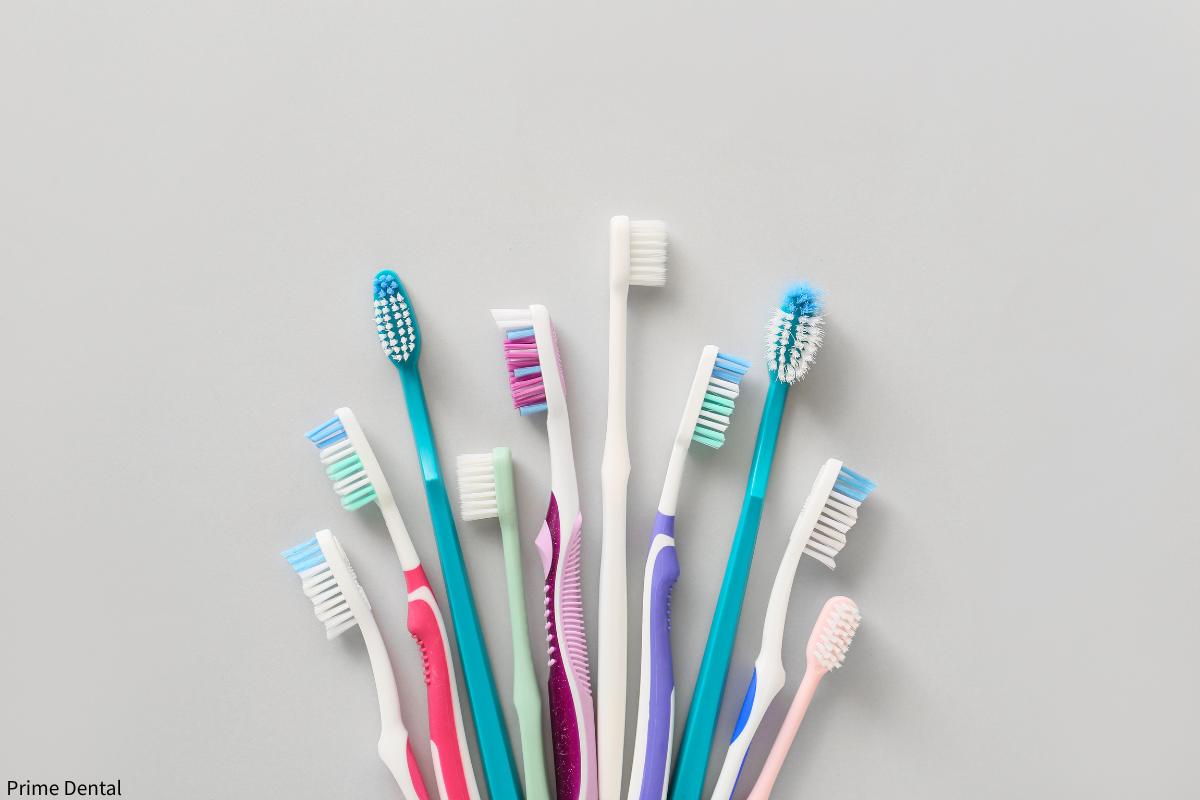
After months of use, toothbrush bristles begin to bend, fray, and lose their shape. Worn bristles cannot clean teeth as effectively as new ones.
Bacteria Can Accumulate
Although rinsing your toothbrush helps, bacteria can still collect on the bristles over time.
Reduced Cleaning Ability
A toothbrush with damaged bristles struggles to reach along the gumline and between teeth where plaque tends to accumulate.
How Often Should You Replace Your Toothbrush?
Most dental professionals recommend replacing your toothbrush every three to four months.
You may need to replace it sooner if:
- The bristles appear frayed
- You recently recovered from an illness
- You brush aggressively
- The toothbrush shows signs of wear
Preventive care through professional dental services includes guidance on maintaining effective oral hygiene tools.
Signs It’s Time for a New Toothbrush
- Flattened or bent bristles
- Discoloration of bristles
- Persistent plaque buildup despite brushing
- Difficulty cleaning along the gumline
If your toothbrush looks worn, it is likely not cleaning your teeth properly.
Can an Old Toothbrush Affect Your Oral Health?
Yes. Using a worn toothbrush may contribute to:
- Increased plaque buildup
- Higher cavity risk
- Gum irritation
- Persistent bad breath
Small oral hygiene issues can become larger problems over time if plaque is not removed effectively.
Manual vs. Electric Toothbrush Heads
If you use an electric toothbrush, the same replacement guidelines apply. Brush heads should typically be changed every three to four months or sooner if the bristles become worn.
Patients looking for family dentistry near me often benefit from learning how to properly maintain both manual and electric toothbrushes.
Tips for Making Your Toothbrush Last
Rinse Thoroughly After Use
Wash away toothpaste and debris after brushing.
Store Upright
Allow your toothbrush to air dry between uses.
Avoid Sharing Toothbrushes
Sharing can transfer bacteria and increase the risk of infection.
Keep It Clean
Store your toothbrush in a clean area away from contaminants.
Teaching Children About Toothbrush Care
Children often forget to replace their toothbrushes. Parents should check brushes regularly and replace them when bristles begin to wear.
Healthy habits learned early can support lifelong oral health.
The Importance of a Complete Oral Hygiene Routine
Replacing your toothbrush is only one part of maintaining a healthy smile. Effective oral care also includes:
- Brushing twice daily
- Flossing every day
- Eating a balanced diet
- Attending regular dental checkups
We discuss daily oral health habits further in our article on how daily routines affect oral health.
How Prime Dental Can Help
At Prime Dental, we believe prevention is the key to a healthy smile. Our team provides personalized oral hygiene guidance and preventive care to help patients maintain healthy teeth and gums.
Patients seeking affordable dental care in Coquitlam benefit from simple preventive habits that reduce the need for more extensive treatments.
A Small Change That Makes a Big Difference
Replacing your toothbrush regularly is one of the easiest ways to improve your oral hygiene routine. Fresh bristles clean more effectively, helping protect your teeth and gums from plaque and disease.
If you have questions about your oral hygiene routine, we encourage you to contact Prime Dental to schedule an appointment.