
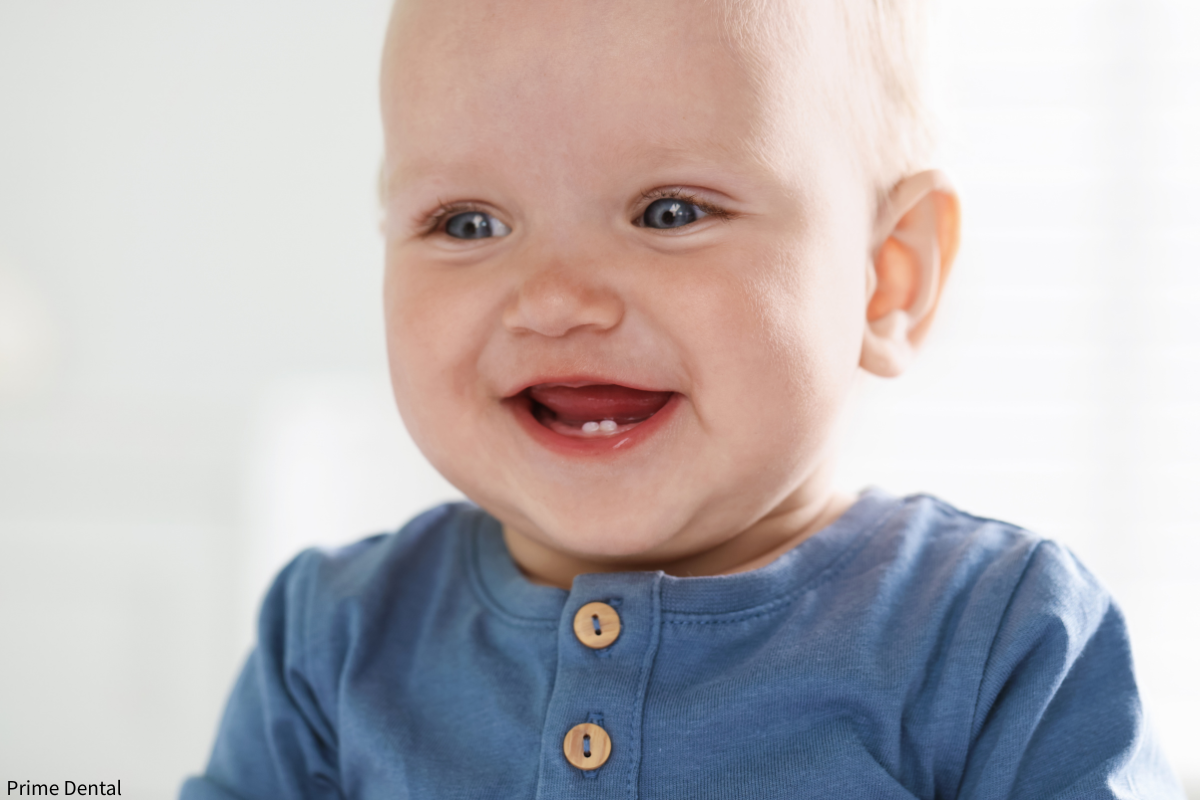
Why Baby Teeth Matter More Than You Might Think
Baby teeth are temporary, so it can be easy to underestimate their importance. After all, permanent teeth will eventually replace them.
However, primary teeth have important jobs during your child’s early development. They help with eating, speaking, and maintaining space for developing permanent teeth.
At Prime Dental in Port Coquitlam, we encourage families to start healthy dental habits early. Caring for baby teeth can help build a strong foundation for your child’s future smile.
What Are Baby Teeth?
Baby teeth are also called primary or deciduous teeth. They are your child’s first set of teeth.
Children typically develop 20 primary teeth. These teeth gradually emerge during the first few years of life.
Later, baby teeth naturally loosen and make way for permanent teeth. However, each primary tooth has a purpose before that happens.
Why Are Baby Teeth Important for Eating?
Healthy teeth help children bite and chew different foods comfortably. This becomes increasingly important as your child’s diet expands.
A painful or severely damaged tooth can make chewing uncomfortable. Your child may begin avoiding certain foods or chewing mainly on one side.
Keeping primary teeth healthy helps children use their teeth comfortably while they grow.
Baby Teeth Help Children Learn to Speak
Teeth, lips, and the tongue work together when producing many sounds. Primary teeth therefore contribute to normal speech development.
This does not mean every speech concern is related to teeth. However, healthy teeth are one part of the structures children use while learning to speak.
Baby Teeth Help Hold Space for Permanent Teeth
One important job of primary teeth is maintaining space in your child’s developing mouth.
The permanent teeth develop underneath or near the primary teeth. Baby teeth help preserve their positions until it is time for the permanent teeth to emerge.
If a primary tooth is lost earlier than expected, nearby teeth may sometimes move into the available space.
Your dentist can evaluate early tooth loss and determine whether additional monitoring is appropriate.
Can Baby Teeth Get Cavities?
Yes. Baby teeth can develop tooth decay just like permanent teeth.
Cavity-causing bacteria use sugars from foods and drinks to produce acids. Repeated acid exposure can damage the tooth’s surface.
Children may develop cavities without immediately complaining about pain. This makes regular dental examinations valuable.
Parents searching for family dentistry near me can use routine appointments to monitor both primary and developing permanent teeth.
Why Treat a Cavity If the Tooth Will Eventually Fall Out?
This is a common question from parents. Whether a primary tooth needs treatment depends on several factors.
Your dentist may consider the size of the cavity, your child’s age, symptoms, and how long the tooth is expected to remain.
Untreated decay may become painful or progress deeper into the tooth. Dental infections can also require prompt professional attention.
Your dentist can explain the recommended approach based on your child’s individual situation.
When Should You Start Brushing Your Child’s Teeth?
Oral care should begin when the first tooth appears. Use a small, soft-bristled toothbrush designed for children.
Young children need help brushing because they do not yet have the coordination to clean every tooth effectively.
Your dentist can provide age-appropriate guidance about brushing technique and fluoride toothpaste.
When Should Parents Help with Brushing?
Children often want to brush independently before they can thoroughly clean their teeth.
Allowing your child to practise is useful, but an adult should still supervise and help as needed.
Pay particular attention to the back teeth and gumline. These areas can be easy for young children to miss.
What Drinks Are Better for Baby Teeth?
Water is generally a tooth-friendly choice between meals. Frequent exposure to sugary drinks can increase the risk of tooth decay.
How often teeth are exposed to sugar matters, not only the total amount consumed.
Avoid allowing a child to regularly fall asleep with a bottle containing sugary liquids. Prolonged exposure can increase cavity risk.
What About Snacks?
Children often need snacks between meals. The type and frequency of those snacks can affect their teeth.
Repeatedly eating sugary or highly refined snacks gives oral bacteria more opportunities to produce acids.
Try to establish regular meal and snack times when practical. Water can be offered between them.
You can explore our dental services for more information about preventive and family dental care.
What Happens When a Baby Tooth Becomes Loose?
A naturally loose baby tooth is usually part of normal development. The root gradually changes as the permanent tooth prepares to emerge.
Encourage your child to let the tooth loosen naturally rather than aggressively pulling it too early.
If a tooth becomes loose after an injury, contact your dentist. Trauma-related movement is different from natural tooth loss.
What If a Baby Tooth Gets Knocked Out?
Dental injuries can happen during play, sports, or falls. Contact a dental professional promptly if your child loses a primary tooth unexpectedly.
Do not assume the tooth should be put back into the socket. Management of an injured baby tooth differs from a knocked-out permanent tooth.
Your dentist can assess the injury and check the surrounding teeth and tissues.
How Can You Make Dental Visits Easier for Children?
Use simple and positive language when discussing dental appointments. Avoid sharing frightening stories about your own dental experiences.
Try to present dental visits as a normal part of staying healthy.
Regular appointments can also make the dental environment more familiar to your child over time.
Why Regular Dental Exams Matter During Childhood
Children’s mouths change quickly as they grow. Routine dental visits allow your dentist to monitor teeth, gums, and developing permanent teeth.
They also provide an opportunity to discuss brushing, diet, fluoride, and other preventive strategies.
Families looking for a dentist near me can benefit from choosing a practice where preventive care continues as children grow.
Help Your Child Build Healthy Habits Early
Children learn many habits by watching the adults around them. Brushing together can make oral care feel like a normal family routine.
Keep toothbrushes accessible, establish consistent brushing times, and praise your child’s effort.
For more family oral health information, explore the Prime Dental blog.
A Healthy Permanent Smile Can Start with Baby Teeth
Baby teeth may be temporary, but their role is important. They support chewing, speech, and the development of your child’s smile.
Early preventive care can also help children become comfortable with healthy dental routines.
If you have questions about your child’s teeth, contact Prime Dental or call (604) 941-0111 to schedule an appointment.
Prime Dental | 2227 McAllister Ave #203, Port Coquitlam, BC V3C 2A9
(604) 941-0111 | prime-dental.ca