
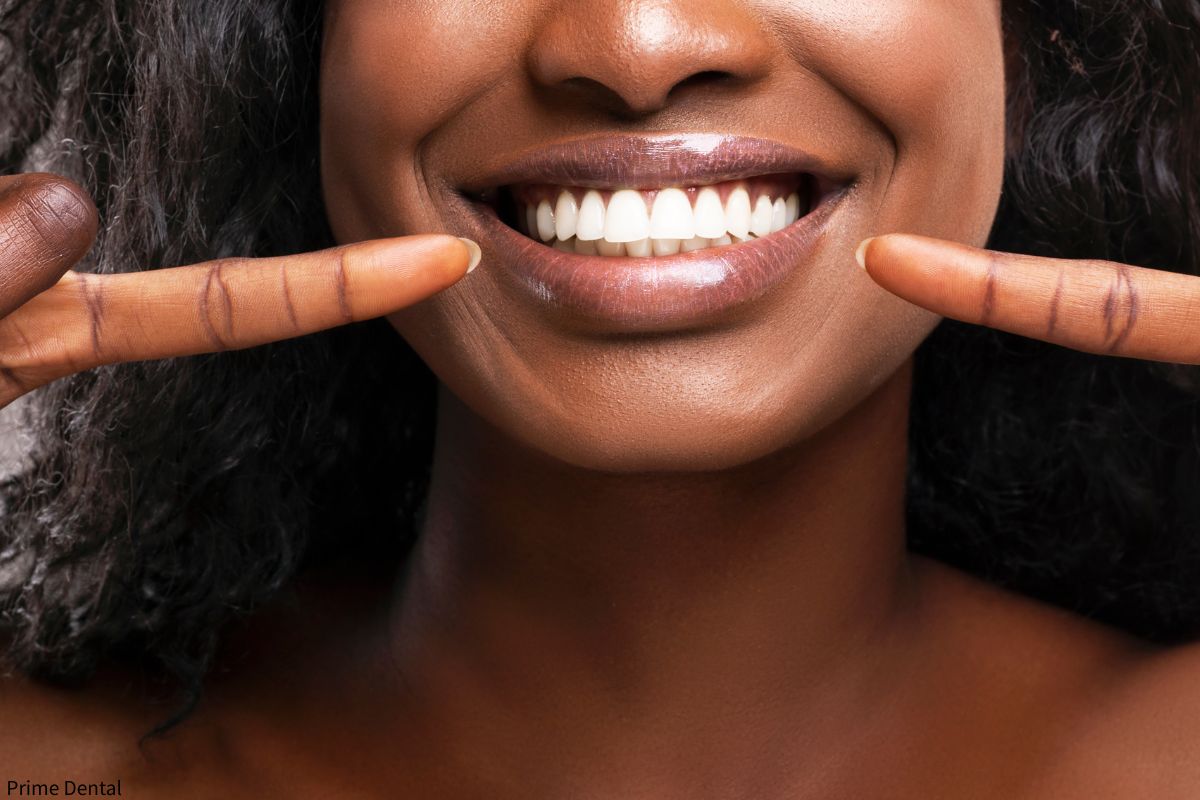
Why Your Bite Can Change Over Time and What It Means for Your Oral Health
You may assume that the way your upper and lower teeth fit together will stay the same throughout adulthood. However, your bite can gradually change over time. Tooth movement, dental wear, missing teeth, gum changes, and other factors can all affect how your teeth meet.
At Prime Dental in Port Coquitlam, we believe changes in your bite are worth discussing during regular dental visits. Recognizing them early can help protect your teeth and keep everyday activities comfortable.
What Do Dentists Mean by Your “Bite”?
Your bite describes how your upper and lower teeth come together when you close your mouth. Dentists may also call this your occlusion.
A comfortable bite helps distribute chewing forces across your teeth. When that relationship changes, certain teeth may begin receiving more pressure than others.
If you have noticed something different when you bite or chew, a dentist near me can examine your teeth and determine what may have changed.
Why Can Your Bite Change?
There is no single reason for every bite change. Several dental and lifestyle factors can influence tooth position over the years.
Natural Tooth Movement
Teeth are not permanently fixed in one exact position. Small changes can occur throughout life. These movements may eventually alter how neighbouring or opposing teeth meet.
Missing Teeth
When a tooth is lost, nearby teeth may gradually shift toward the open space. The opposing tooth can also change position because it no longer meets its original partner.
These changes are one reason replacing missing teeth may be important for more than appearance.
Teeth Grinding and Clenching
Repeated grinding or clenching can place significant pressure on teeth. Over time, this may contribute to enamel wear or changes in the surfaces used for chewing.
Worn Dental Restorations
Fillings, crowns, and other restorations experience daily chewing forces. If a restoration becomes worn or damaged, the way your teeth contact each other may feel different.
Changes in Gum and Bone Support
Your gums and supporting bone help keep teeth stable. Problems affecting these structures may allow teeth to become mobile or shift position.
What Are the Signs That Your Bite Has Changed?
Bite changes are not always obvious. You may simply notice that your teeth no longer seem to fit together in the same way.
Possible signs include:
- One tooth contacting before the others
- New discomfort when chewing
- Difficulty finding a comfortable resting position
- Unexplained tooth sensitivity
- Visible wear on certain teeth
- Food becoming trapped in new areas
- Changes in how dental restorations feel
These symptoms can have several causes. A dental examination is the best way to determine what is happening.
Can Bite Changes Damage Your Teeth?
A changing bite does not automatically mean your teeth are being damaged. However, uneven forces can sometimes place extra stress on particular teeth.
Depending on the cause, this pressure may contribute to enamel wear, sensitivity, damaged restorations, or small fractures.
Our dental services include preventive and restorative care designed to identify concerns before they become more complicated.
What Happens After You Lose a Tooth?
A missing tooth can change the balance of your bite. Teeth beside the space may begin shifting, while the opposing tooth may move because its normal contact is gone.
This process can happen gradually, so you may not immediately notice it.
If you have lost a tooth, discussing replacement options can help you understand how to maintain function and alignment. Options vary depending on your oral health and individual needs.
Can Gum Health Affect Your Bite?
Yes. Healthy gums and bone provide essential support for your teeth. Advanced periodontal problems can weaken that support and allow teeth to move.
Signs such as persistent bleeding, gum recession, or tooth mobility should be professionally evaluated.
Routine dental care can help identify gum problems earlier. You can also find more preventive information on the Prime Dental blog.
What About Changes After Dental Treatment?
Your bite can sometimes feel unfamiliar immediately after a new filling, crown, or other restoration. In many situations, the sensation settles as you become accustomed to the restoration.
However, contact your dentist if a restored tooth consistently feels too high or causes discomfort when you bite. Your dentist can evaluate the restoration and surrounding teeth.
How Does a Dentist Evaluate Your Bite?
Your dentist can examine how your upper and lower teeth contact each other. The examination may also include checking tooth wear, restorations, gum health, and tooth movement.
Dental X-rays or other diagnostic tools may be recommended when more information is needed.
This evaluation helps determine whether the change is minor or whether treatment should be considered.
Can You Prevent Your Bite from Changing?
Not every change can be prevented. However, protecting your teeth and supporting structures can reduce avoidable problems.
Helpful habits include:
- Brushing twice daily with fluoride toothpaste
- Cleaning between your teeth every day
- Keeping regular dental examinations and cleanings
- Addressing missing teeth with your dentist
- Avoiding chewing ice and other very hard objects
- Discussing grinding or clenching symptoms with your dentist
- Having damaged restorations examined promptly
Preventive care can be particularly valuable when you want affordable dental care in Coquitlam, because early attention may prevent a smaller concern from becoming more complex.
Why Regular Dental Exams Matter
Bite changes often happen slowly. Because you see and use your teeth every day, subtle differences may be difficult to recognize yourself.
During routine examinations, your dental team can compare changes over time and look for unusual wear, tooth movement, or restoration problems.
This ongoing monitoring is also valuable for families. If you are searching for family dentistry near me, regular care gives each family member an opportunity to address concerns before symptoms become disruptive.
When Should You Book an Appointment?
Consider scheduling an examination if your bite suddenly feels different or if you develop persistent discomfort while chewing. You should also seek care if a tooth becomes loose or a restoration feels damaged.
A professional evaluation can identify the source of the change and determine whether treatment is necessary.
Keep Your Bite Comfortable with Prime Dental
Your bite can evolve as your teeth and oral health change. Paying attention to new sensations can help you recognize when something deserves a closer look.
At Prime Dental, we provide preventive and restorative dental care for patients in Port Coquitlam and surrounding communities.
Ready to have your bite or oral health checked? Visit our contact page or call (604) 941-0111 to book an appointment.
Prime Dental | 2227 McAllister Ave #203, Port Coquitlam, BC V3C 2A9
(604) 941-0111 | prime-dental.ca