
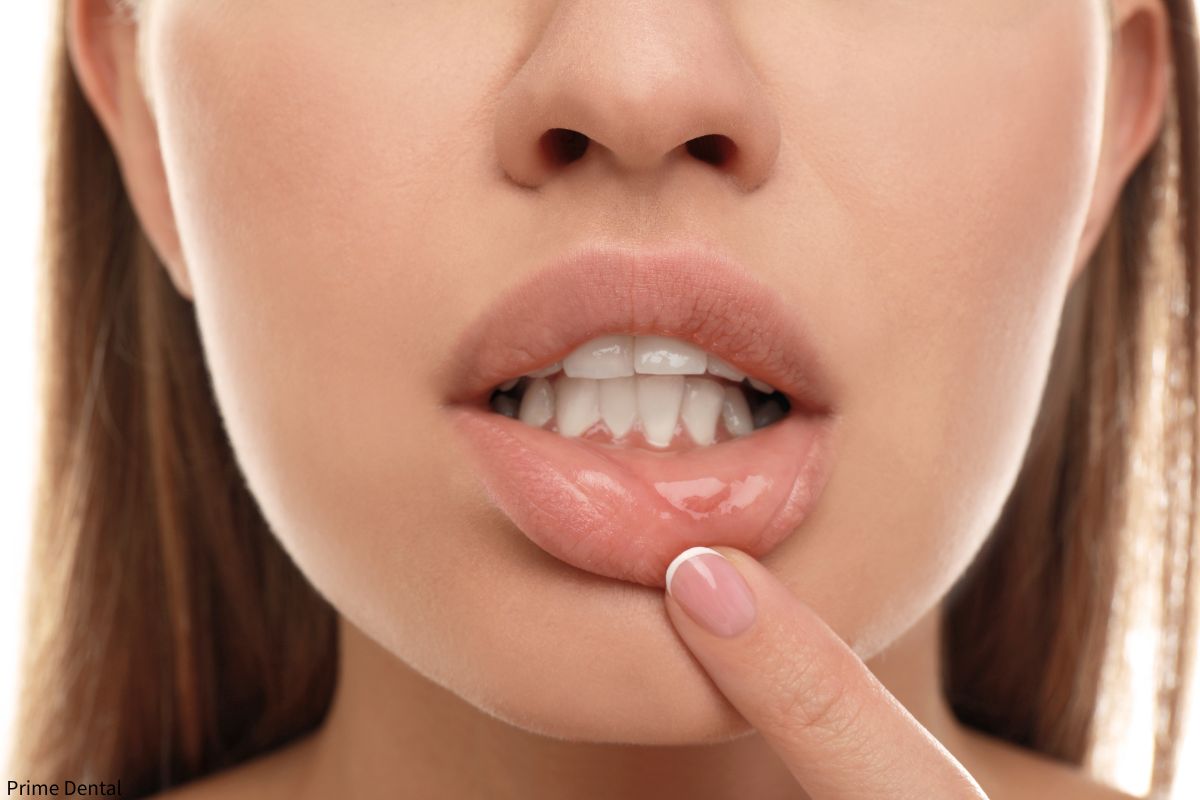
Why Do Canker Sores Keep Coming Back? When a Mouth Sore Deserves Attention
A small sore inside your mouth can make eating, drinking, and even talking uncomfortable. You may know these irritating spots as canker sores.
Many canker sores heal without treatment. However, recurring or persistent sores may leave you wondering whether something else is happening.
At Prime Dental in Port Coquitlam, we encourage you to pay attention to changes inside your mouth. Knowing what is typical can help you recognize when professional evaluation is appropriate.
What Is a Canker Sore?
A canker sore is a small ulcer that develops inside the mouth. It may appear on the inner lips, cheeks, tongue, or nearby soft tissues.
Canker sores are different from cold sores. Cold sores typically occur around the lips and are associated with the herpes simplex virus.
Canker sores are not considered contagious.
What Does a Canker Sore Look Like?
A typical canker sore may appear round or oval. It often has a pale centre surrounded by a red border.
The area can feel tender, especially when exposed to acidic, salty, spicy, or crunchy foods.
Appearance alone cannot diagnose every mouth lesion. If you are uncertain about a spot, a dental professional can examine it.
Why Do Canker Sores Develop?
There is not always one obvious reason for a canker sore. Several possible triggers may contribute in susceptible people.
These can include:
- Minor injuries inside the mouth
- Accidentally biting your cheek or lip
- Irritation from certain foods
- Stress
- Changes in your normal routine
- Dental appliances irritating soft tissue
- Individual nutritional or health factors
Recurring sores can have different causes. Avoid assuming that one particular food or habit is always responsible.
Can Accidentally Biting Your Cheek Cause a Mouth Sore?
Yes. Soft tissues inside your mouth can become irritated after accidental biting or another minor injury.
A sharp food edge may also irritate the lining of your mouth. Dental appliances can sometimes rub against nearby tissue.
If one specific tooth or restoration repeatedly irritates the same area, mention it during your dental appointment.
Can Stress Be Connected to Canker Sores?
Some people report developing canker sores during periods of stress. However, recurring sores can have many possible contributing factors.
Keeping track of when sores appear may help you notice patterns.
If they occur frequently, discuss that history with your dentist or healthcare provider rather than relying on self-diagnosis.
Are Canker Sores the Same as Cold Sores?
No. Although the names are sometimes confused, they are different conditions.
Canker sores occur inside the mouth and are not contagious. Cold sores more commonly develop around the lips and can be contagious.
If you are unsure what type of lesion you have, avoid picking or repeatedly touching the area.
How Long Does a Canker Sore Usually Last?
Many minor canker sores improve and heal within about one to two weeks.
The exact healing time can vary depending on the size of the sore and whether the area continues to be irritated.
A sore that does not heal as expected deserves professional attention.
When Should You See a Dentist About a Mouth Sore?
Consider having a mouth sore evaluated if it persists, repeatedly returns, becomes unusually large, or causes significant discomfort.
You should also seek professional advice if you notice:
- A sore lasting longer than about two weeks
- Repeated sores with no clear explanation
- Increasing swelling
- Difficulty eating or drinking
- A lump or thickened area
- Unexplained bleeding
- Persistent red or white patches
- A lesion that looks noticeably different from previous sores
These signs do not automatically indicate a serious condition. They do mean the area should be properly assessed.
Why Should a Persistent Mouth Sore Be Examined?
Your mouth experiences frequent minor irritation, so temporary sores are common. However, tissues usually heal after the source of irritation disappears.
A persistent lesion may require closer examination to determine why it is not healing.
If you are searching for a dentist near me because of an unexplained mouth sore, tell the dental office how long the area has been present.
What Happens During a Dental Examination?
Your dentist can examine the sore and the surrounding oral tissues. You may be asked when you first noticed it and whether it has changed.
Your dentist may also ask about recent injuries, dental appliances, medications, or recurring patterns.
When appropriate, additional evaluation or referral may be recommended.
You can learn more about Prime Dental’s dental services and preventive care options.
What Can You Do While a Canker Sore Heals?
Try to avoid repeatedly irritating the area while it heals. Be gentle when brushing nearby teeth.
You may also find it helpful to avoid foods that make the sore feel worse.
Common irritants can include very spicy, acidic, salty, or sharp foods.
Continue your normal oral hygiene routine where comfortable. Keeping your mouth clean remains important.
Should You Put Household Remedies on a Mouth Sore?
Be cautious about applying concentrated or irritating household substances directly to oral tissues.
A product that causes burning or tissue irritation may make the area more uncomfortable.
If you want symptom relief, ask a dentist or pharmacist about suitable options for your situation.
What If Braces or Dental Work Keep Rubbing the Same Area?
Repeated mechanical irritation can prevent soft tissue from getting a chance to settle.
If an orthodontic appliance, denture, broken tooth, or restoration repeatedly rubs one spot, arrange a dental assessment.
Do not attempt to reshape dental restorations or appliances yourself.
Can Children Get Canker Sores?
Children can also develop mouth ulcers. A child may complain that eating certain foods suddenly hurts.
Parents can check for obvious irritation while avoiding repeated touching of the sore.
If a child’s mouth sore is persistent, severe, or accompanied by other concerning symptoms, seek professional advice.
Families searching for family dentistry near me can also discuss recurring oral concerns during routine appointments.
Don’t Forget to Check More Than Your Teeth
Oral health involves more than cavities and gums. Your tongue, cheeks, lips, palate, and other soft tissues are also part of your mouth.
Noticing what is normal for you can make unusual changes easier to recognize.
Regular dental visits also give your dental team opportunities to examine areas you may find difficult to see yourself.
What About a Mouth Sore With Severe Pain or Swelling?
Significant swelling, severe pain, fever, difficulty swallowing, or difficulty breathing requires prompt medical or dental attention.
If symptoms are rapidly worsening, do not simply wait for a routine appointment.
People searching for an emergency dentist near me should clearly describe their symptoms when contacting the dental office.
Pay Attention to Changes That Don’t Heal
Most small mouth sores are temporary. The important thing is to notice when a lesion behaves differently from what you normally experience.
A recurring or persistent sore should not be diagnosed from photos or online descriptions alone.
A professional examination can help determine whether the area is consistent with minor irritation or needs further assessment.
For more practical oral health information, visit the Prime Dental blog.
Have a Persistent Mouth Sore? Prime Dental Can Help
If a sore has not healed, keeps returning, or simply concerns you, consider scheduling a dental examination.
At Prime Dental, we can examine changes inside your mouth and discuss appropriate next steps based on what we find.
Ready to schedule your visit? Contact Prime Dental or call (604) 941-0111.
Prime Dental | 2227 McAllister Ave #203, Port Coquitlam, BC V3C 2A9
(604) 941-0111 | prime-dental.ca