
How to Care for Your Dental Retainer: Cleaning, Storage, and Common Mistakes
Finishing orthodontic treatment can be an exciting milestone. However, maintaining your results requires ongoing care.
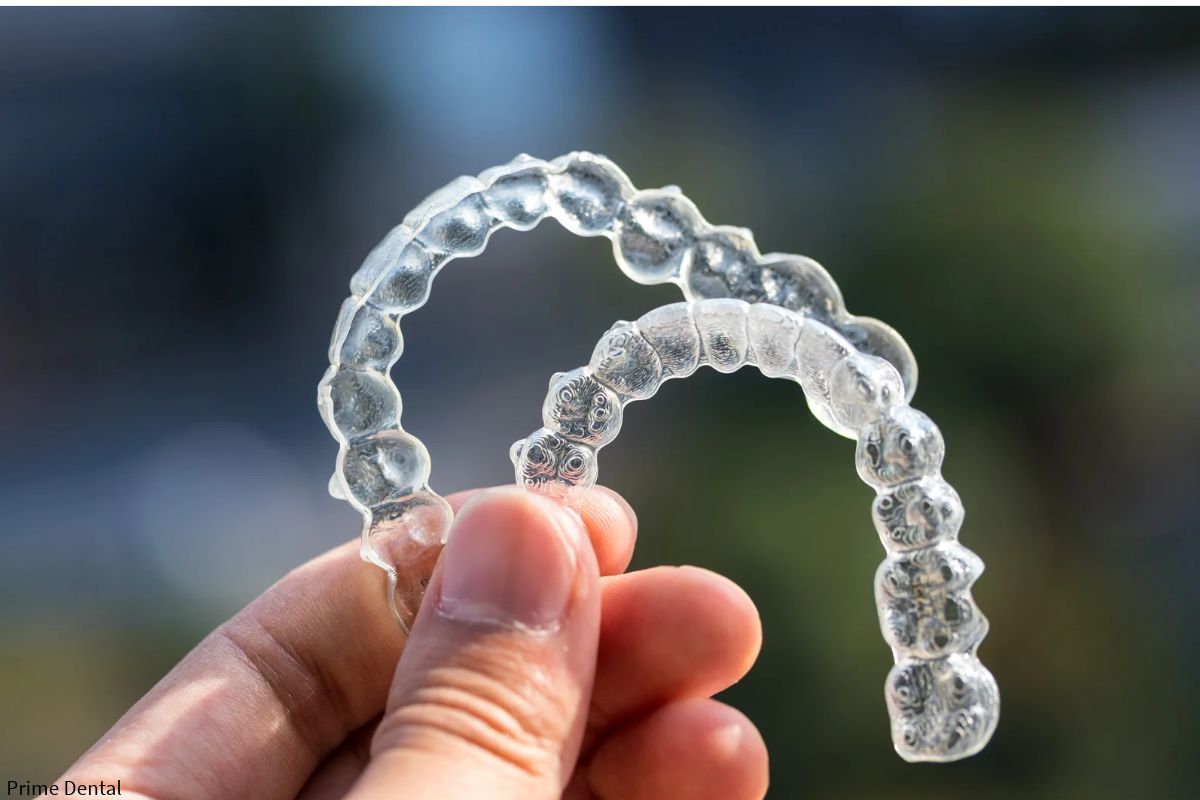
A dental retainer helps keep your teeth in their corrected positions after braces or clear aligner treatment.
Without appropriate retainer use, teeth may gradually shift over time.
At Prime Dental in Port Coquitlam, we encourage patients to understand how everyday habits affect their dental appliances.
Knowing how to clean, store, and protect your retainer can help keep it comfortable and functional.
What Is a Dental Retainer?
A dental retainer is an orthodontic appliance designed to help maintain tooth positions after orthodontic treatment.
Retainers may be removable or fixed in place.
Removable retainers can be made from clear plastic or acrylic and wire components.
Fixed retainers usually involve a thin wire bonded behind certain teeth.
Each design requires slightly different cleaning and maintenance techniques.
Why Is Wearing Your Retainer Important?
Teeth can move after orthodontic treatment because the surrounding tissues continue adapting to their new positions.
Natural changes in the mouth may also occur throughout adulthood.
Wearing your retainer according to your orthodontist’s instructions helps maintain your treatment results.
Do not assume you can stop wearing your retainer simply because your teeth look straight.
How Often Should You Wear Your Retainer?
Retainer schedules depend on your orthodontic treatment and individual needs.
Some patients initially need to wear removable retainers for extended periods each day.
Others may transition to nighttime wear under professional guidance.
Follow the schedule provided by your orthodontist rather than choosing one based on general online advice.
How Should You Clean a Removable Retainer?
Retainers collect saliva, bacteria, and plaque during regular use.
Cleaning your appliance consistently can help reduce buildup and unpleasant odours.
For many removable retainers, a gentle routine includes:
- Wash your hands before handling the appliance.
- Remove the retainer carefully.
- Rinse it with cool or lukewarm water.
- Clean it gently using a soft brush and a product approved for your retainer material.
- Rinse thoroughly before placing it back in your mouth.
- Store it in its protective case when not in use.
Follow your dental professional’s instructions because cleaning recommendations differ between retainer materials.
Can You Clean a Retainer With Toothpaste?
Not every toothpaste is suitable for cleaning removable retainers.
Some toothpastes contain abrasive ingredients that may scratch certain plastic surfaces.
Scratches can make the appliance harder to keep clean.
Ask your dental team which cleaning product is appropriate for your specific retainer.
Why Should You Avoid Hot Water?
Heat can distort some plastic retainer materials.
A warped retainer may no longer fit correctly or maintain the intended tooth positions.
Avoid boiling water, dishwashers, and other high-temperature cleaning methods unless specifically approved by the manufacturer.
Cool or lukewarm water is generally a safer choice for many removable appliances.
How Should You Store Your Retainer?
Use a clean, protective retainer case whenever your appliance is outside your mouth.
A case can help prevent accidental damage and reduce the chance of losing the retainer.
Follow the recommended storage conditions for your appliance, including any instructions about moisture.
Clean the case regularly and allow it to dry as directed.
Why You Should Never Wrap a Retainer in a Napkin
Retainers are small and can easily be mistaken for rubbish.
Wrapping one in a tissue or napkin increases the risk of accidentally throwing it away.
This is particularly common during meals at restaurants or school.
Keep a dedicated protective case available whenever you travel or eat away from home.
Can You Eat While Wearing a Retainer?
Eating instructions depend on the type of retainer you have.
Most removable clear retainers should be taken out before meals.
Eating with an appliance that should be removed may damage or stain it.
Fixed retainers remain in place, but certain foods may place excessive stress on their bonded components.
Follow the instructions provided for your particular appliance.
What Should You Do If Your Retainer Feels Tight?
A retainer may feel different after a period of inconsistent wear.
Tightness can sometimes indicate that your teeth have moved.
Do not force a retainer into place if it causes significant pain or does not fit properly.
Contact your orthodontist or dental professional for an assessment.
What If Your Retainer Breaks?
A cracked, bent, or broken retainer may no longer function as intended.
Damaged edges can also irritate your cheeks, gums, or tongue.
Avoid using household glue or attempting to reshape the appliance yourself.
Contact your dental professional to determine whether repair or replacement is appropriate.
How Do You Clean a Fixed Retainer?
Fixed retainers require careful cleaning around the bonded wire and nearby tooth surfaces.
Plaque can accumulate in areas that are difficult to reach with a toothbrush alone.
Floss threaders, interdental brushes, or other specialized tools may help.
Your dental hygienist can demonstrate a suitable technique for your specific retainer.
Can Retainers Cause Bad Breath?
Plaque and debris can collect on a retainer that is not cleaned regularly.
This buildup may contribute to unpleasant odours.
However, persistent bad breath can have several causes unrelated to retainers.
If the problem continues despite good cleaning, consider a dental examination.
How Long Does a Dental Retainer Last?
Retainer lifespan varies depending on its material, design, usage, and maintenance.
Some appliances may need replacement because of wear, damage, or changes in fit.
Regular monitoring helps determine whether your retainer is still functioning appropriately.
Do not rely on age alone when deciding whether an appliance needs replacement.
Should You Bring Your Retainer to Dental Appointments?
Bringing your retainer allows your dental team to examine its condition and discuss cleaning concerns.
Your dentist may also notice changes in your bite or tooth positions that deserve attention.
If you are searching for a dentist near me, ask whether your existing orthodontic appliances can be reviewed during your visit.
Explore Prime Dental’s dental services for information about preventive dental care.
Retainer Care Tips for Teenagers
Teenagers may find retainer care challenging while balancing school, sports, and social activities.
Establishing a consistent routine can help reduce forgotten or misplaced appliances.
Parents can encourage teenagers to keep their retainer case in a familiar location.
Families searching for family dentistry near me can also discuss oral hygiene habits during routine dental visits.
Common Retainer Mistakes to Avoid
Small mistakes can affect the condition and function of your retainer.
- Skipping the prescribed wear schedule
- Cleaning with very hot water
- Using unsuitable abrasive products
- Leaving the retainer unprotected
- Eating while wearing an appliance that should be removed
- Ignoring cracks or changes in fit
- Attempting repairs at home
Consistent habits can help protect both your appliance and your orthodontic results.
Protect Your Smile After Orthodontic Treatment
Orthodontic treatment does not end the moment braces or aligners are removed.
Retainer wear and proper appliance care help maintain your results over time.
Cleaning, storage, and professional guidance are important parts of successful long-term maintenance.
For more practical oral health information, visit the Prime Dental blog.
Have Questions About Your Retainer? Contact Prime Dental
If your retainer feels uncomfortable, appears damaged, or has become difficult to clean, consider seeking professional advice.
At Prime Dental, we encourage patients to discuss their dental appliances and oral hygiene needs during routine visits.
Ready to schedule your appointment? Contact Prime Dental or call (604) 941-0111.
Prime Dental
2227 McAllister Ave #203
Port Coquitlam, BC V3C 2A9, Canada
Phone: (604) 941-0111
Website: www.prime-dental.ca