
How Long Do Dental Crowns Last? 7 Signs Your Crown May Need Attention
A dental crown can restore and protect a tooth that has been weakened, damaged, or heavily restored. Although crowns are designed for durability, they are not necessarily permanent.
Over time, a crown can experience wear, damage, or changes around its edges. The tooth and gums surrounding it can also change.
At Prime Dental in Port Coquitlam, we recommend including existing crowns in your regular dental examinations. Monitoring them can help identify concerns before they become more noticeable.
What Is a Dental Crown?
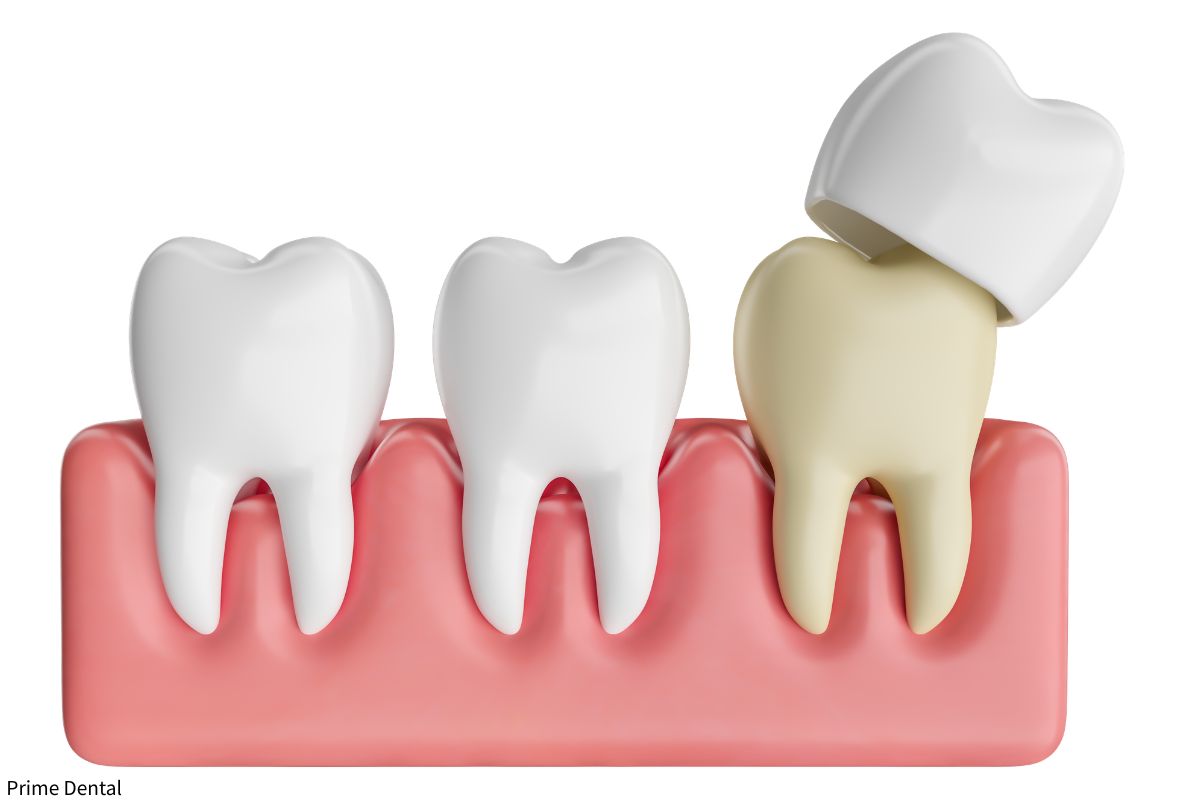
A dental crown is a restoration that covers the visible portion of a tooth. It can help restore the tooth’s shape, function, and appearance.
Crowns may be recommended for several reasons. A tooth may be heavily filled, fractured, weakened, or restored following certain dental procedures.
The material used for a crown can vary depending on its location and your individual needs.
How Long Does a Dental Crown Last?
There is no exact lifespan that applies to every dental crown. How long yours lasts depends on several factors.
These can include the crown material, your oral hygiene, chewing forces, tooth condition, and daily habits.
Rather than relying only on the crown’s age, your dentist can examine its current condition during routine appointments.
1. Your Crown Feels Loose
A dental crown should normally feel stable when you bite and chew. A crown that suddenly feels loose deserves professional attention.
A loose sensation does not reveal the cause by itself. Changes involving the crown, underlying tooth, or cement may need evaluation.
Avoid repeatedly moving a loose crown with your fingers or tongue. Contact your dental office for advice instead.
2. You Have New Pain or Sensitivity Around the Crown
A crowned tooth can still develop symptoms. New sensitivity to temperature or discomfort while chewing should not automatically be ignored.
Several conditions can cause these symptoms. The crown itself may not necessarily be the source.
If you are searching for a dentist near me because a crowned tooth hurts, an examination can help identify the cause.
3. The Crown Is Chipped or Cracked
Dental crowns handle significant chewing forces every day. Damage can sometimes occur from an accident, hard foods, or normal wear.
A small chip may feel rough against your tongue. More significant damage may affect the crown’s strength or function.
Do not try to repair a damaged crown using household adhesives. A dentist should evaluate the restoration and the tooth underneath.
4. Your Bite Suddenly Feels Different
Pay attention if your crowned tooth suddenly seems to touch before your other teeth. A new change in your bite deserves evaluation.
You might notice discomfort when chewing or feel that something no longer fits correctly.
Your dentist can examine your bite and determine whether the crown or another dental issue is contributing to the change.
5. You Notice a Change Around the Crown’s Edge
The area where a crown meets your natural tooth is important. Plaque can collect around this margin if it is difficult to clean.
You may notice discoloration, sensitivity, or a visible change near the gumline.
These signs do not automatically mean the crown needs replacement. However, they are good reasons to schedule an examination.
6. Food Keeps Catching Around the Crown
A new food trap around a crowned tooth may indicate that something has changed in the area.
Food accumulation can also make it harder to keep the neighbouring gum tissue clean.
Continue cleaning carefully between your teeth, but mention persistent food trapping during your next appointment.
7. Your Crown Comes Off
A crown that completely comes off requires dental attention. Keep the crown in a clean, safe container if you can find it.
Avoid attempting to permanently reattach it yourself. The underlying tooth should first be examined.
If the tooth is painful or the situation feels urgent, patients searching for an emergency dentist near me should contact a dental office promptly.
Can a Tooth Get a Cavity Under a Crown?
A crown covers part of a tooth, but natural tooth structure still remains underneath and around it.
Decay can sometimes develop near the crown margin if conditions allow plaque to accumulate there.
This is why brushing and cleaning between crowned teeth remain important. Having a crown does not eliminate the need for daily oral hygiene.
How Should You Clean a Dental Crown?
Most crowned teeth should be included in the same daily cleaning routine as your natural teeth.
- Brush twice daily with fluoride toothpaste
- Clean between your teeth every day
- Pay attention to the crown’s gumline
- Avoid using your teeth to open packages
- Discuss grinding or clenching with your dentist
- Attend regular dental examinations and cleanings
Your dental team may provide additional instructions depending on the location and type of restoration.
Can Dental Crowns Become Stained?
The appearance of a crown can change differently from natural tooth enamel. The amount of visible change depends partly on its material.
Your natural teeth may also change colour over time while the crown remains relatively stable.
If you are concerned about a colour difference, avoid trying aggressive whitening products around the crown without professional guidance.
Can You Whiten a Dental Crown?
Traditional tooth whitening products are designed to affect natural tooth structure. They do not necessarily change restorative materials in the same way.
This matters if you are considering whitening while having crowns on visible teeth.
If you are searching for cosmetic dentistry near me, discuss your existing restorations before beginning a whitening treatment.
Does an Old Crown Automatically Need Replacement?
No. Age alone does not determine whether a dental crown needs to be replaced.
An older crown may remain functional, while a newer restoration could require attention after damage or another dental change.
Your dentist can examine the crown, surrounding gum tissue, bite, and underlying tooth before making a recommendation.
Explore Prime Dental’s dental services to learn more about restorative and preventive care.
What Happens During a Crown Examination?
Your dentist can visually examine the restoration and the surrounding tooth and gum tissue.
Your bite may also be checked. Dental imaging may be recommended when additional information about the underlying tooth is needed.
The findings help determine whether the crown can continue being monitored or whether treatment should be considered.
What Should You Do If Your Crown Breaks After Hours?
First, avoid chewing on the affected side. Keep any pieces of the restoration if you can retrieve them safely.
Contact a dental professional for guidance, especially if you have significant pain, swelling, or additional tooth damage.
For more practical information about protecting your teeth and restorations, visit the Prime Dental blog.
Protect Your Crown and the Tooth Underneath
A dental crown may look like a complete replacement tooth, but the natural tooth underneath still needs care.
Daily cleaning and regular dental examinations can help your dental team monitor the crown and surrounding tissues.
If your crown feels loose, damaged, sensitive, or simply different, consider having it examined rather than waiting for symptoms to worsen.
Have concerns about an existing dental crown? Contact Prime Dental or call (604) 941-0111 to schedule an appointment.
Prime Dental | 2227 McAllister Ave #203, Port Coquitlam, BC V3C 2A9
(604) 941-0111 | prime-dental.ca